
A Garden Without a Gate jurors and acclaimed artists Cicely Carew and Kate Holcomb Hale speak about their work and intentions as jurors.
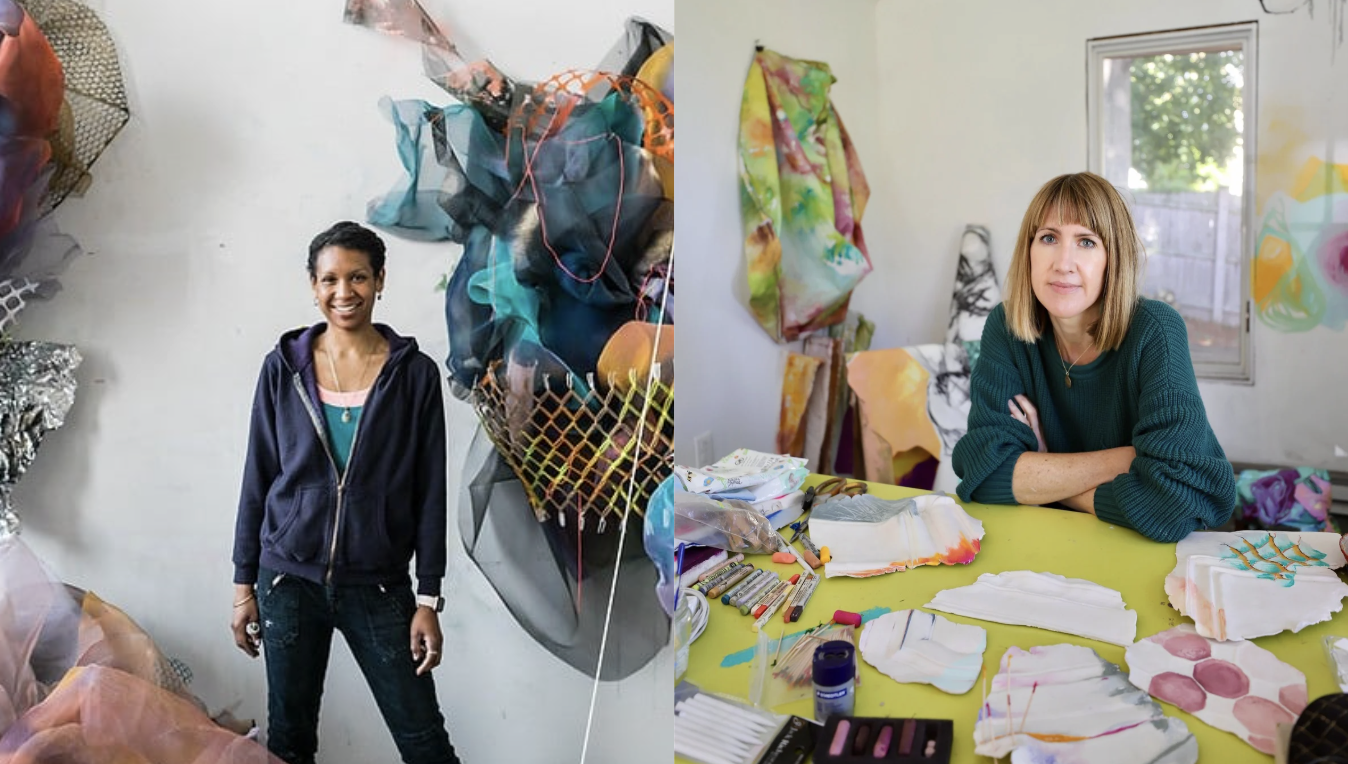
Can you tell us a little about yourself and what inspires you?
Kate: My artwork explores care, vulnerability and how architecture can perform care for our bodies in domestic and public spaces. I find architecture inspiring. When I have the opportunity to create an installation for a specific location, I like to spend time in that space witnessing how bodies move through it and how light interacts and shifts throughout the day. I notice quirky moments where a wall doesn’t meet the floor or a light switch interrupts a clean wall – I like to play with those moments when I can instead of hiding them.
You each have backgrounds in large-scale installations. How has your experience influenced this exhibition, and what impact has jurying this exhibition left on your work?
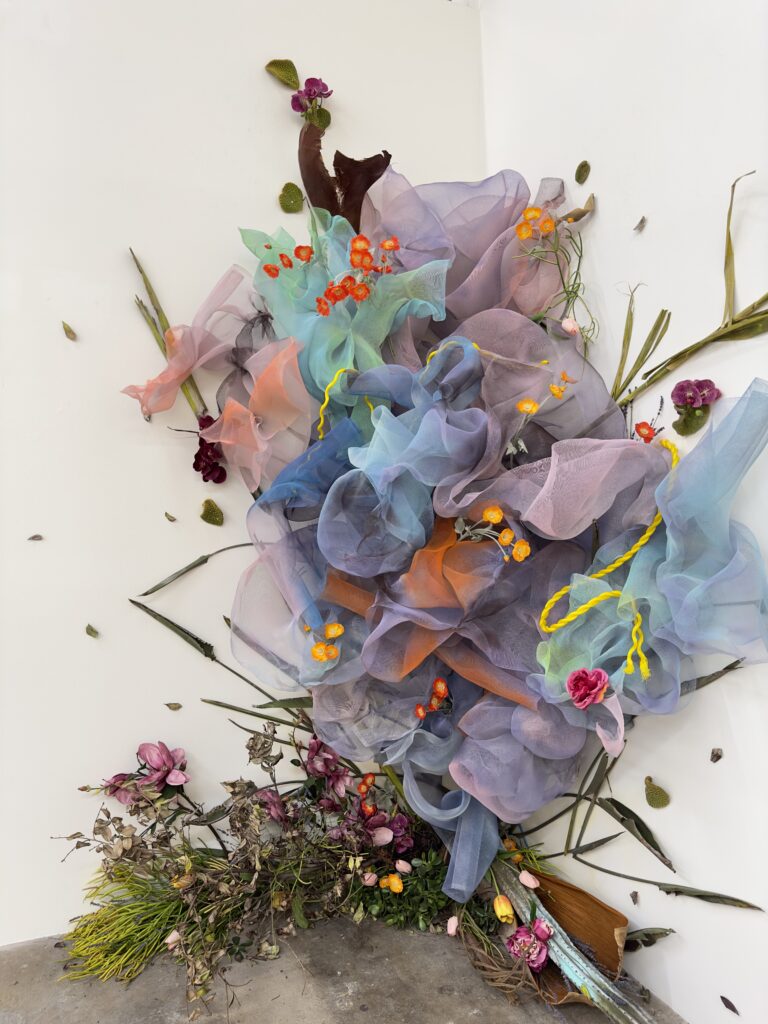
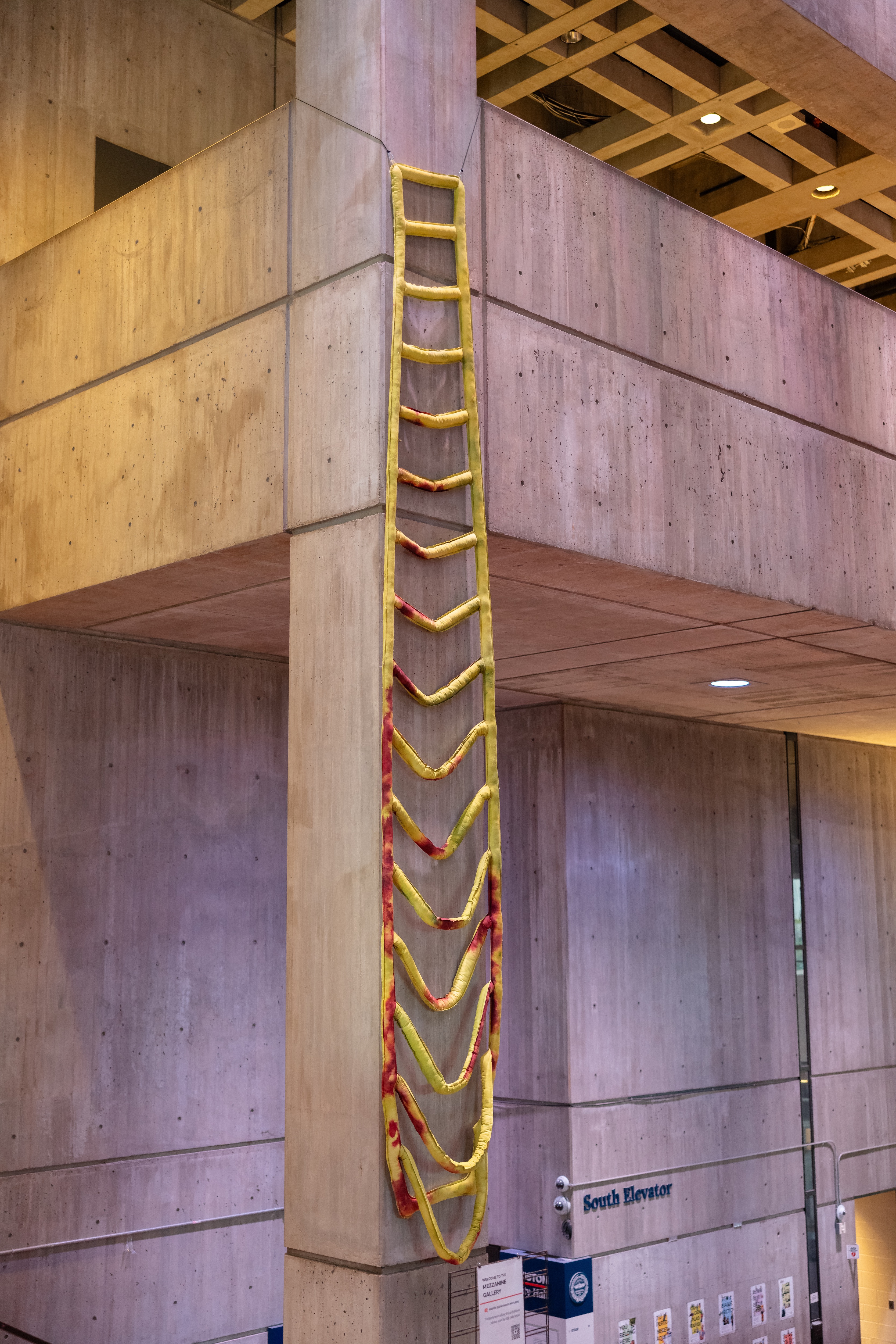
Kate: I don’t consider works of art as discrete objects. I always think of them as relational; they relate to the architecture of the gallery, the light in the space and to the other artworks in the exhibition. I’m also interested in activating more than just the walls of the space. Cicely and I definitely thought about the floor, ceiling, windows as well as the walls of the gallery. While we were selecting pieces for the show, we kept referencing Gallery 263, trying to envision the works in specific locations interacting with one another.
Were there particular themes or artistic approaches that resonated with you in the jurying process?
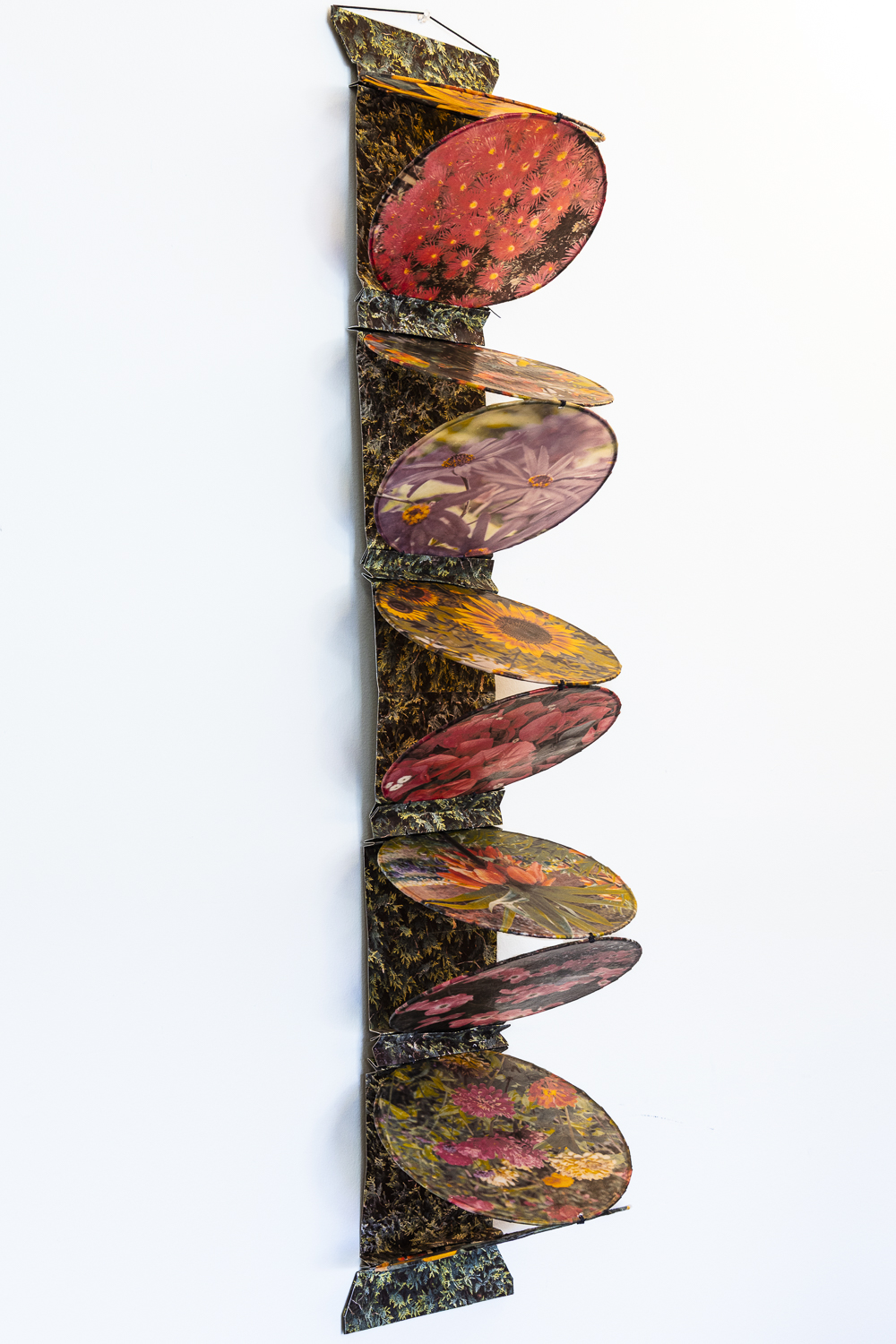
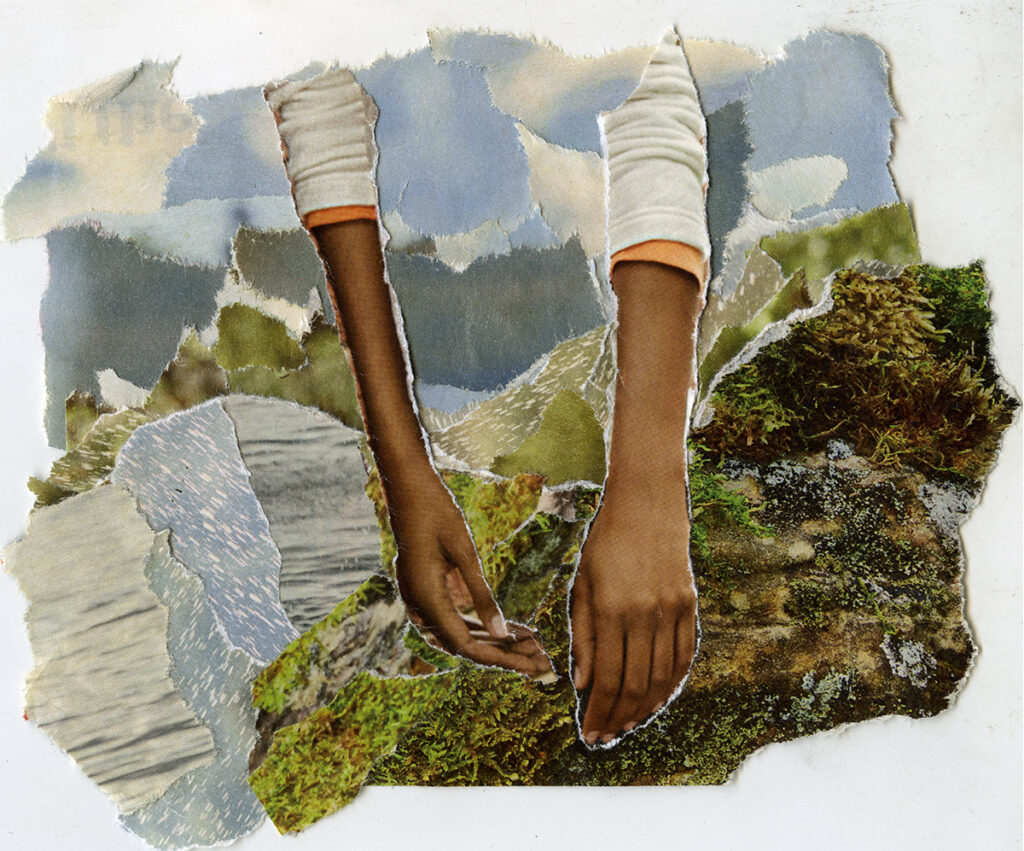
Kate: I know we both responded to the concept and wanted to choose work that pushed boundaries, and spilled beyond the frame in unexpected ways. Works that reference the natural world felt right as well because left unchecked, nature will overtake just about any surface.
This is a very tactile, layered show, with artists exploring culture, memory and healing. How do you balance curating a range of mediums, textures and themes while maintaining a cohesive vision?
Cicely: For Kate and me, cohesion was never about uniformity. It was about resonance. When you’re working with themes like culture, memory, and healing, the diversity of mediums is the point. A textile and a sound piece and a painting can all be reaching toward the same truth through completely different bodies.
We were looking for work where materiality was a language, where the choice of texture or surface was unbounded and curious. Healing and memory are both deeply embodied experiences, so a show exploring those themes should feel like something you move through, something that asks your senses to participate. The layering isn’t chaos; it’s closer to how memory actually works. Nonlinear, accumulative, full of unexpected associations and spatial connections.
The cohesion emerged from the depth of the work itself, not from imposing a rigid framework on it.
What do you hope visitors take with them or (re)consider?
CC: I hope visitors leave with a sense of how expansive a single concept can be. What struck me most in the jurying process was witnessing Kate’s and my different understandings find their way to a common place — I was genuinely tickled. Moving from individual interpretation toward shared meaning is something I hope people feel as they move through the show. There is no one way in. And I think that’s A Garden Without A Gate.
Have an idea for a curated or solo exhibition in our space? We’re accepting submissions for our Exhibition Proposal Series until March 1.