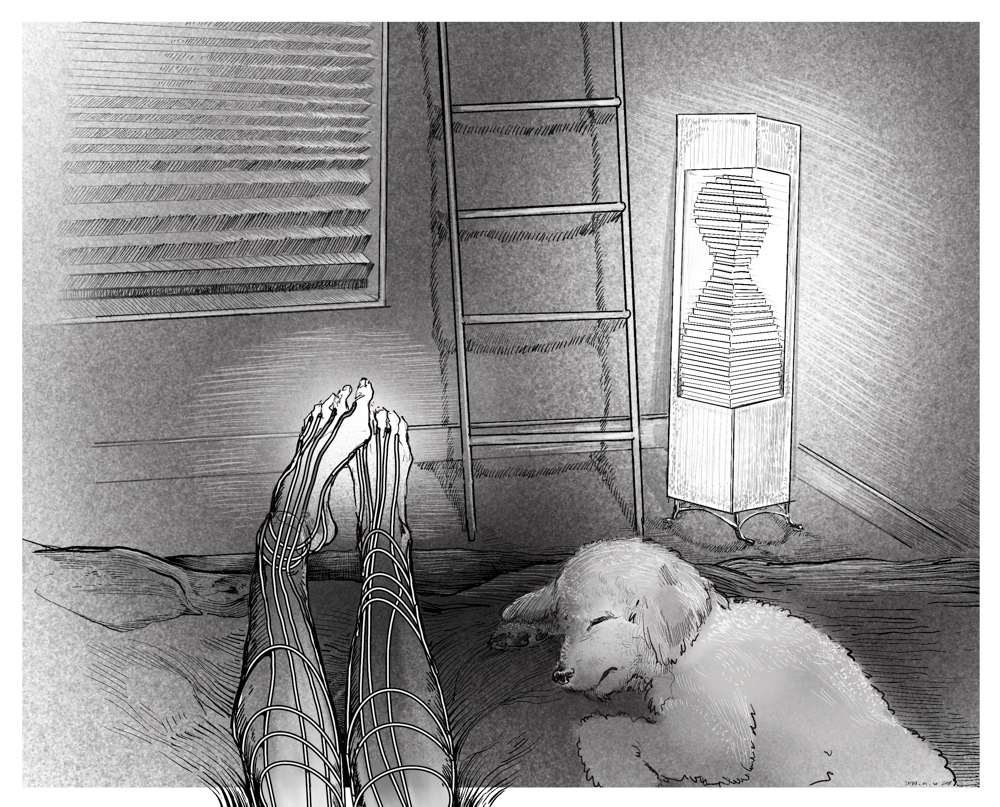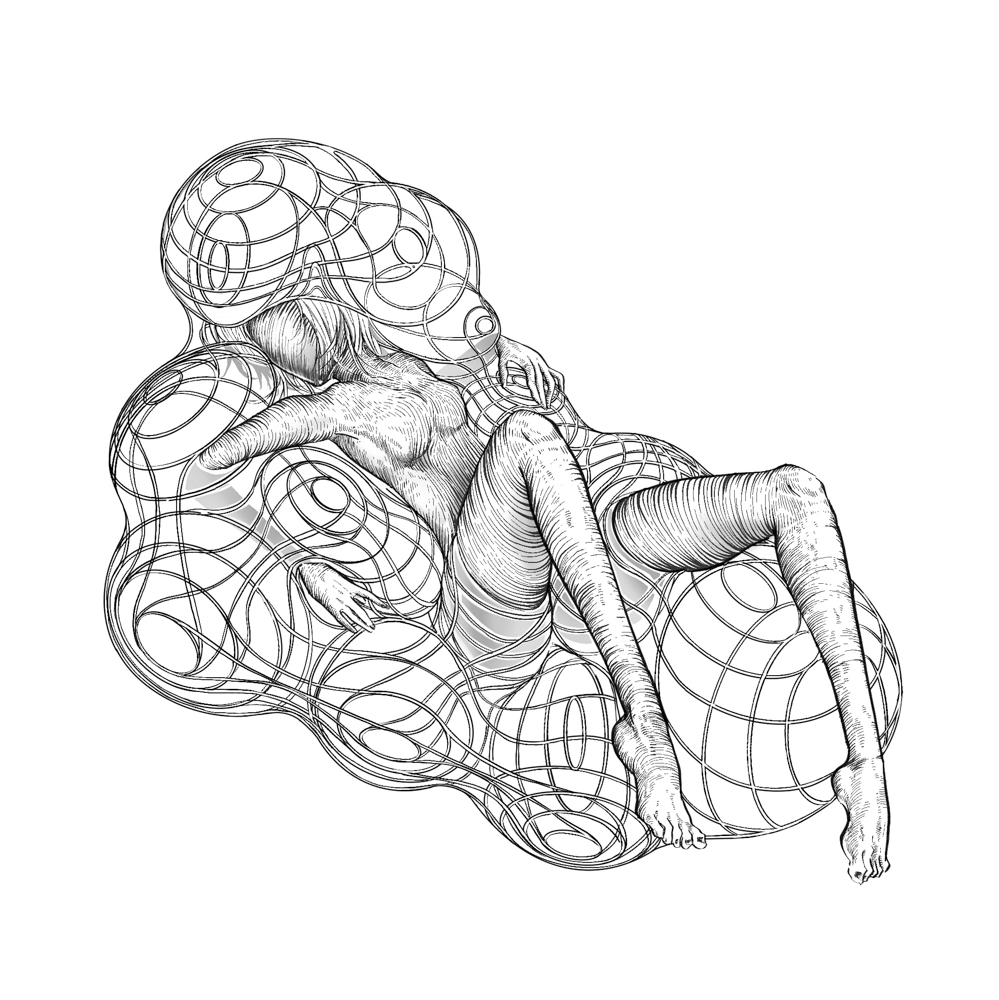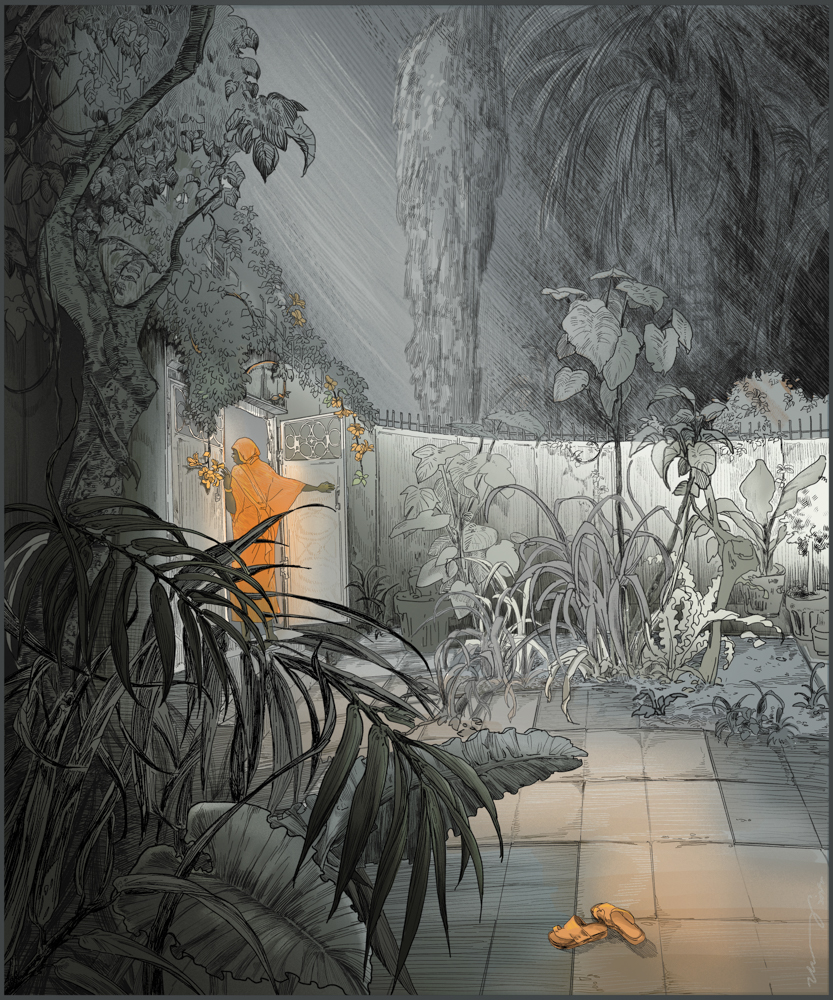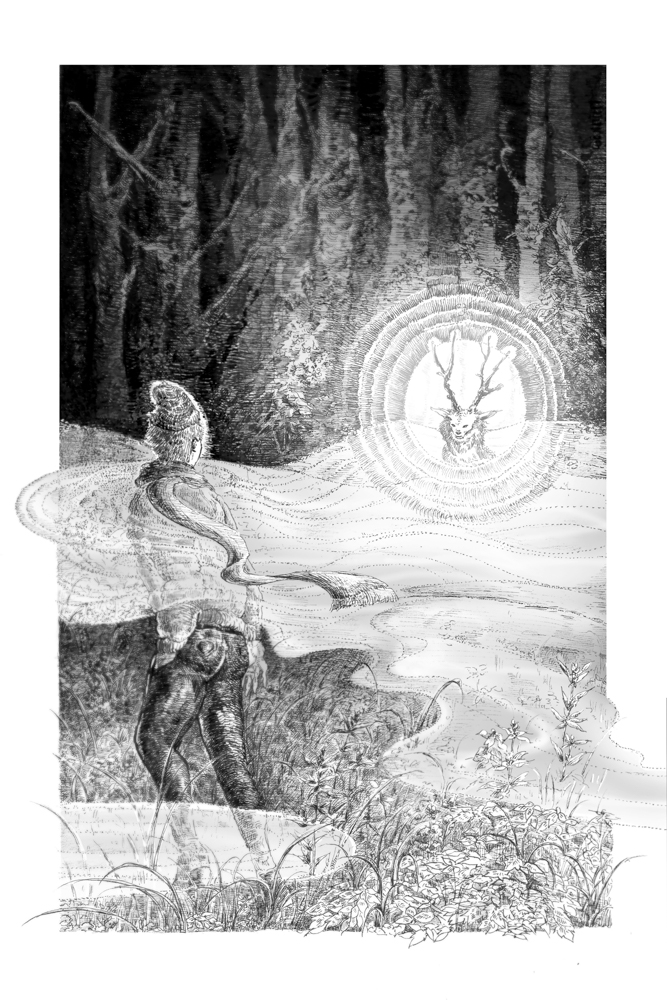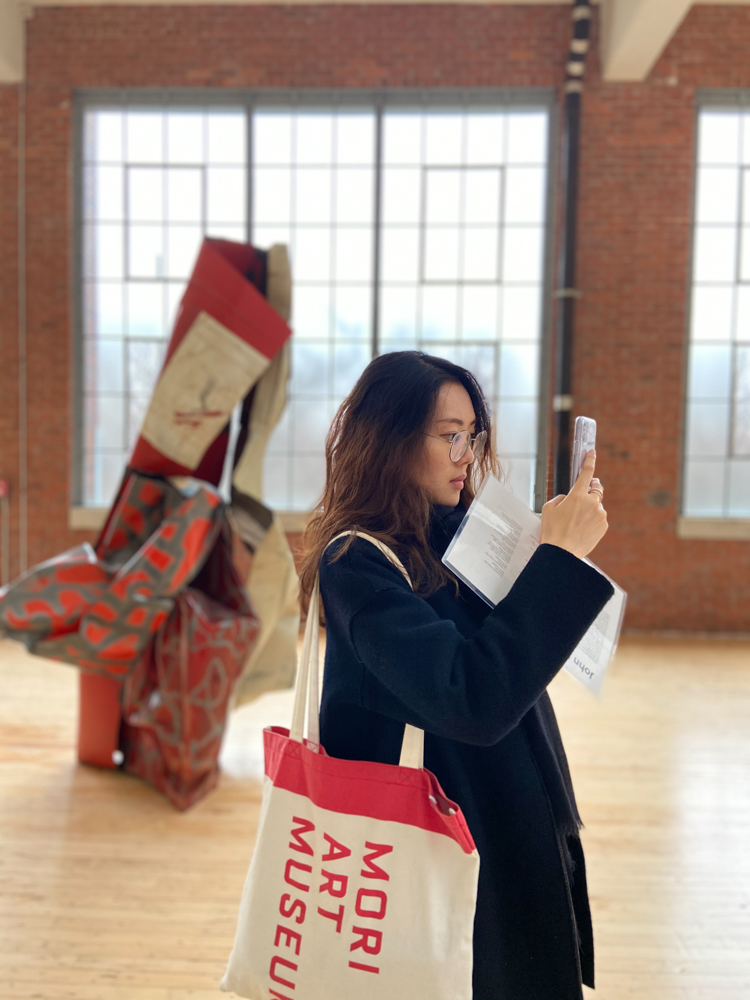
Vita Wang is a rising artist-architect whose practice is rooted as much in listening as in making. Born in the early 1990s in Taiwan, she treats drawing not as a proclamation but as a homecoming— a step back from words, intentions, and the noise of labels. Her lines linger rather than declare, tracing how time settles into surfaces and leaves its faint, persistent signatures. Raised on a lush, humid island and now attuned to New England’s crisp tempo, Wang moves fluidly between climates and disciplines. She spent her teenage years away from family on the West Coast, and is inspired and deeply surprised by desert landscapes.
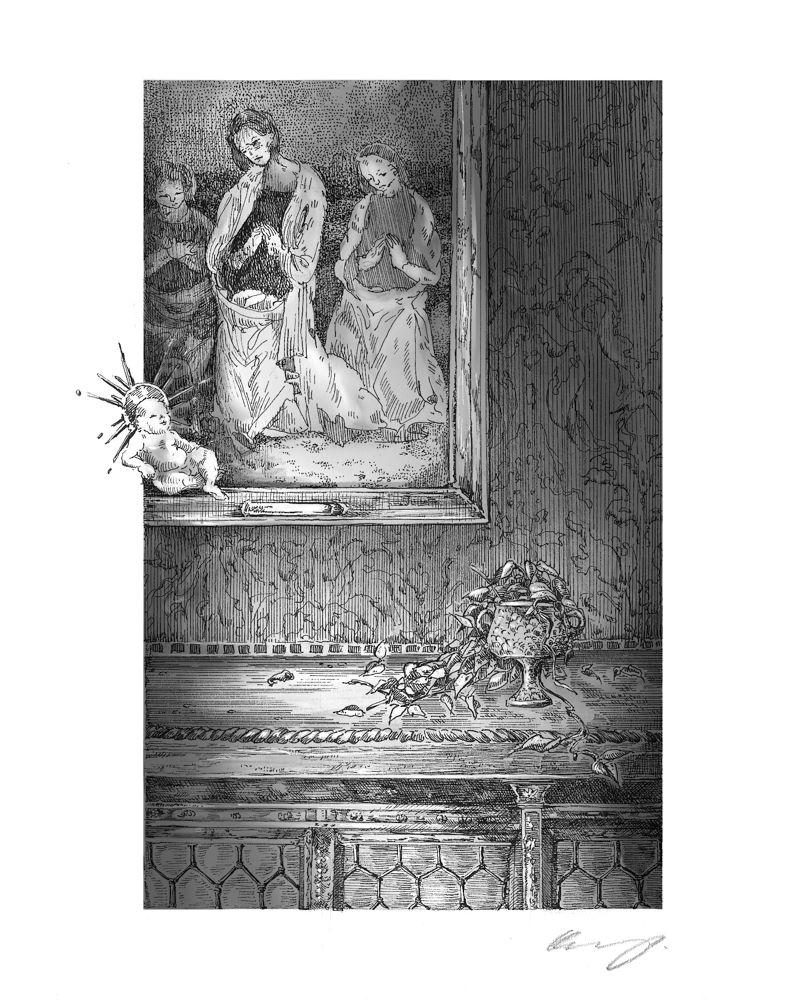
There, she developed mechanisms to coexist with solitude and become perceptive of her surroundings. She earned her Bachelor of Architecture from Cooper Union and a Master in Architecture from Harvard GSD. Her work invites a slower way of seeing—one that honors subtlety, erosion, and the overlooked traces that shape our everyday lives. Her pieces invite us to notice what is slow, layered, and quietly becoming in everyday life, sometime with an extra touch of fantasy and eccentricity of daily objects, sometime to compose a signifier leaving voids for viewers to immerse into the rest of the story, and sometime to respond to the solitude and beauty of stillness, and to touch the surface of time.
Artist statement
It felt just like yesterday, the hours I spent in my father’s workspace, surrounded by drawers of anatomical sketches, negative slides, X-rays of patients, and occasionally, preserved specimens. Even then, I was drawn to the aesthetic of things that existed beyond their literal representation—images that appeared static yet suggested something more elusive: time, fragility, entropy. Over time, I became attuned to the idea that everything—species, architecture, organic material—is composed of strata: visual, historical, emotional. This instilled in me an impulse to observe not only what lies before me, but what is embedded, withheld, or overlooked. My way of seeing became a process of excavation.
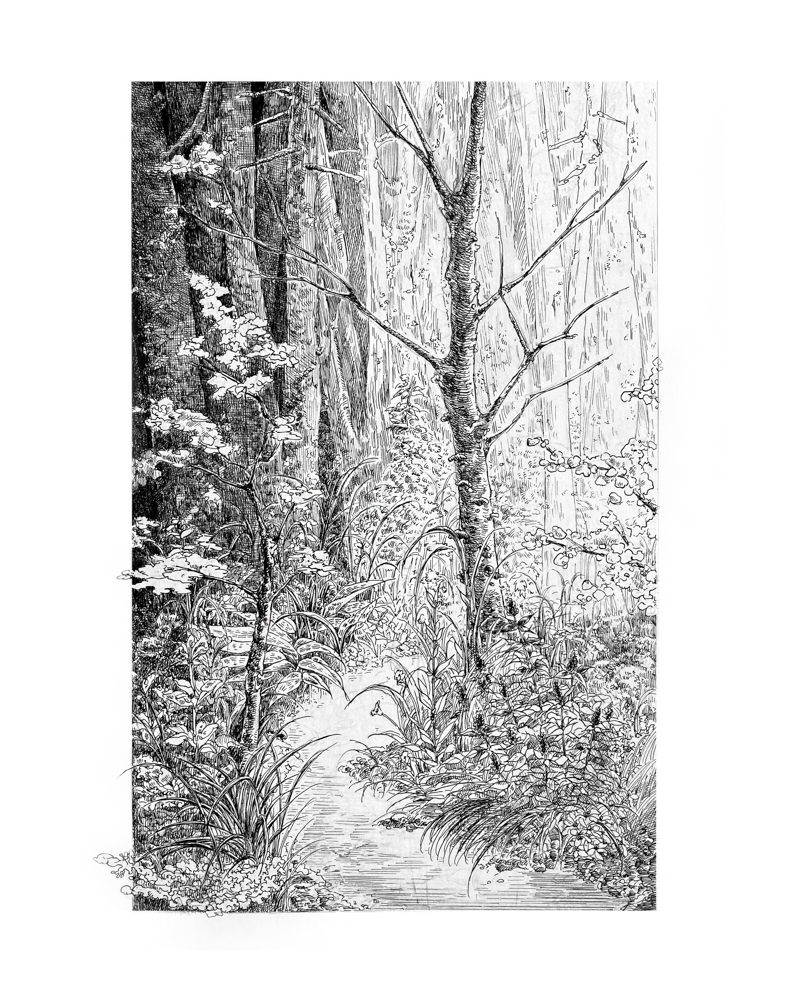
In the desert landscapes where I lived alone for a few years, nature became both companion and collaborator. I found comfort in repetition—tracing lines, recording form, surrendering to the subtleties of atmospheric change. I gradually learned to recognize wonder not in spectacle, but in nuance: folds of terrain, the shape of a dried seedpod, the fragile seams in cracked stone. Through such observations, I came to the understanding that drawing turned into an extension of perception itself: an embodied, durational act that quietly refuses to let things disappear.
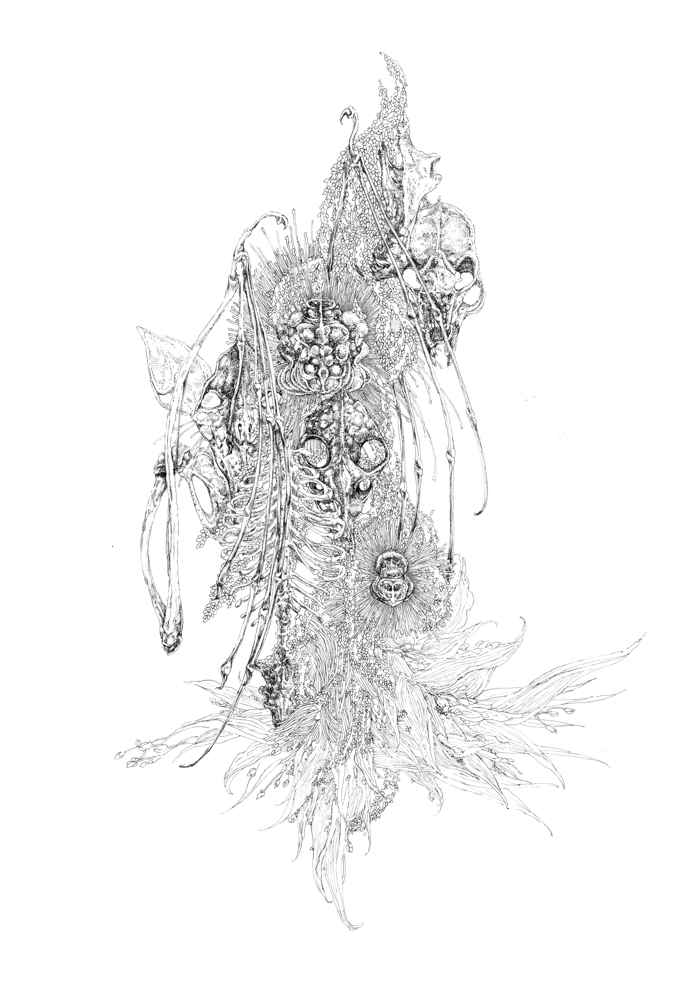
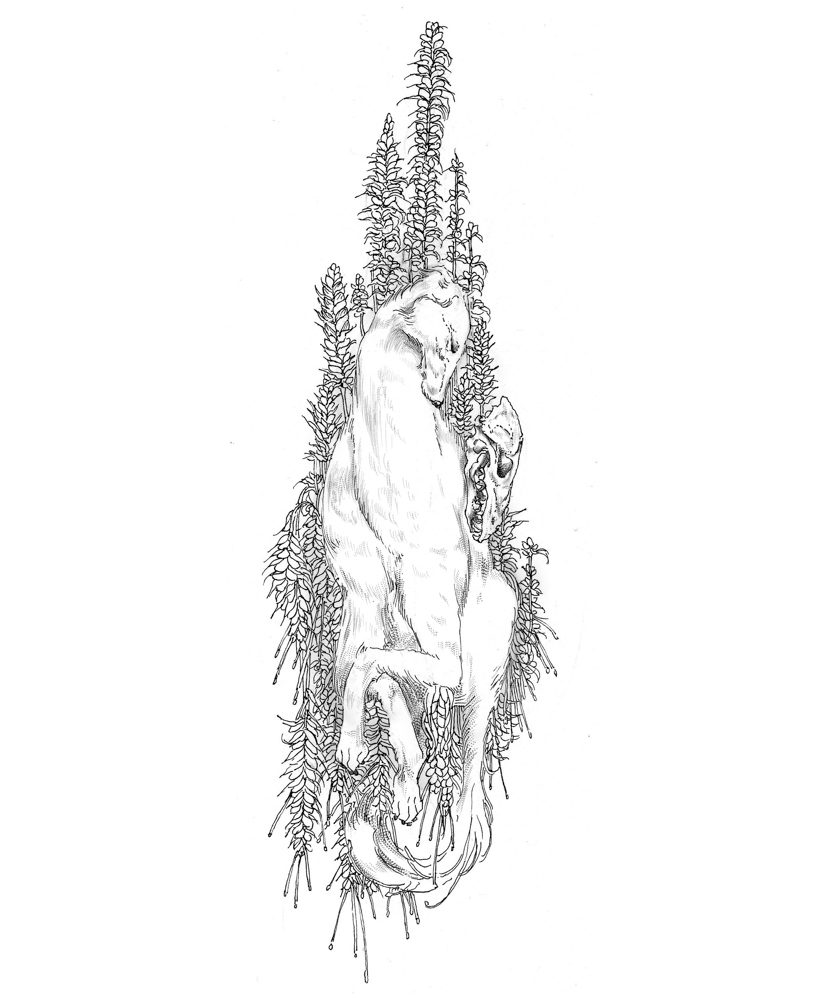
I am consistently drawn to subjects that have already begun to fade: fossils, bones, stones, plants long since withered. Their appeal lies not in aesthetic beauty, but in the way they inhabit time—unadorned, without justification or demand. They remain as if to suggest that presence alone is sufficient. When I draw these forms, I am not attempting to explain them, but to follow their traces—to enter their temporal rhythm. I hope my drawings invite others to see beyond the surface of paper—to witness, as I once did, the invisible life behind a flawless anatomical illustration. Through each line I try to make time palpable, catching for a moment what is forever on the verge of being lost.
preview