
Hannah Latham is the photographer behind Ripples in Still Water, an Exhibition Proposal Series show on view April 3 – May 10. The exhibition examines the human impact of substance use disorder in rural Maine through intimate profiles and semi-documentary photography.
Can you tell us a little about yourself?
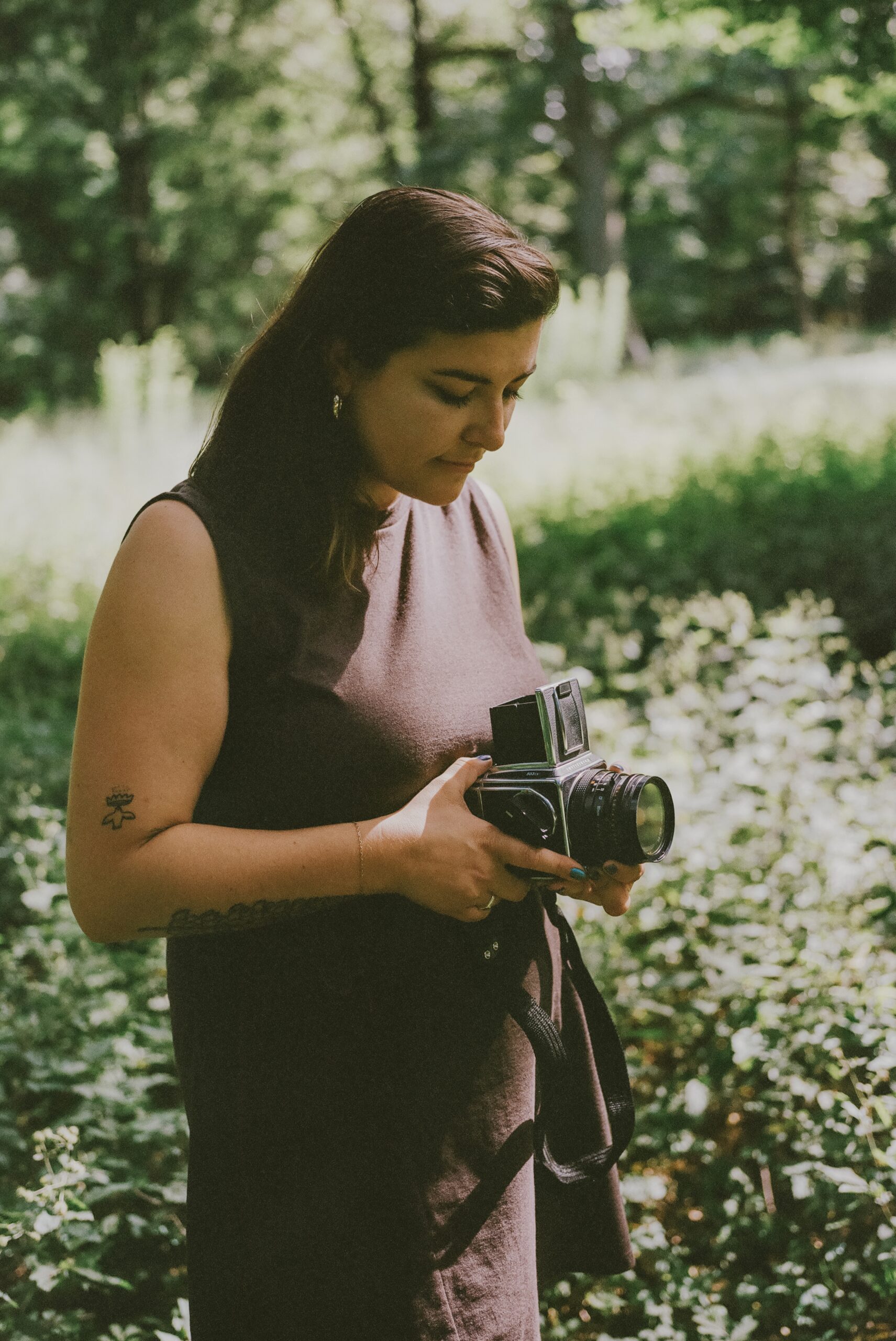
Thank you so much for having me—I’m really excited to be showing with Gallery 263. My name is Hannah Latham, and I’m a photographic artist based in Brighton, MA. I grew up in the Boston area and studied photography at Rhode Island School of Design in Providence.
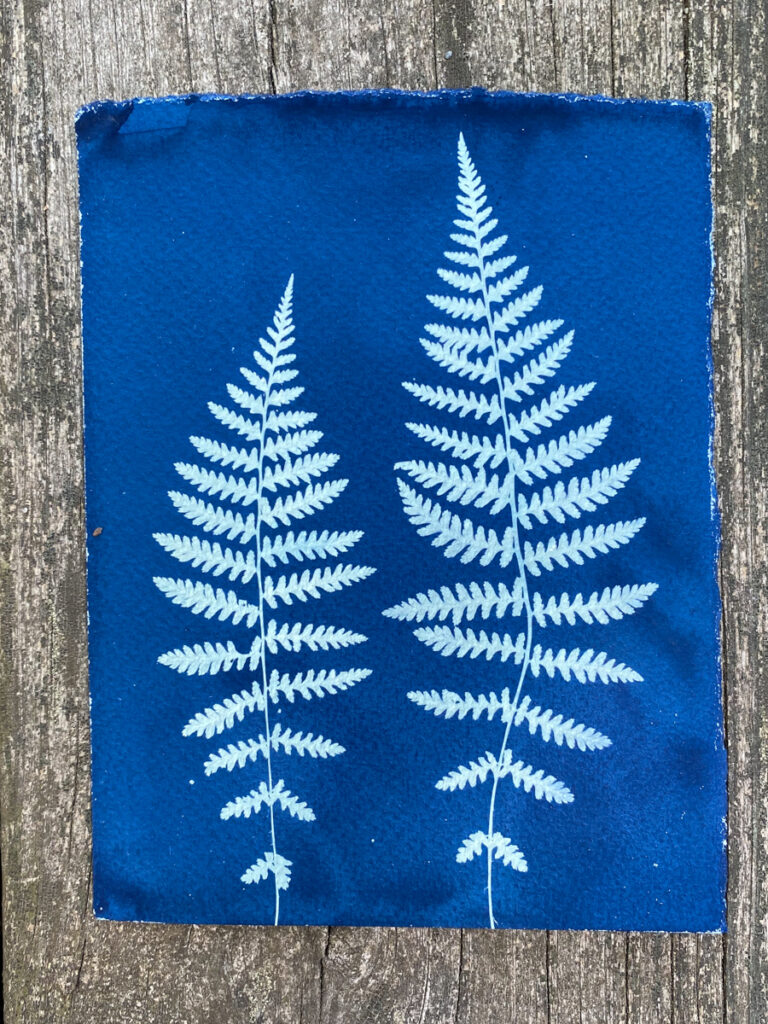
Photography has always been my primary medium, though I often experiment with more tactile processes when my work becomes very conceptual. I’m drawn to methods that reconnect me to the physicality of image-making—especially film and darkroom practices. In addition to my studio work, I’m also a teacher, and it’s incredibly rewarding to introduce high school students to black-and-white darkroom photography. In such a digital world, there’s something powerful about returning to the origins of the medium and watching images emerge by hand.
Much of my work centers on themes of memory, trauma, family, and the environment, often through the lens of New England landscapes and communities. I’m interested in using photography to connect with people and open conversations about experiences that are deeply human but not always easy to talk about.
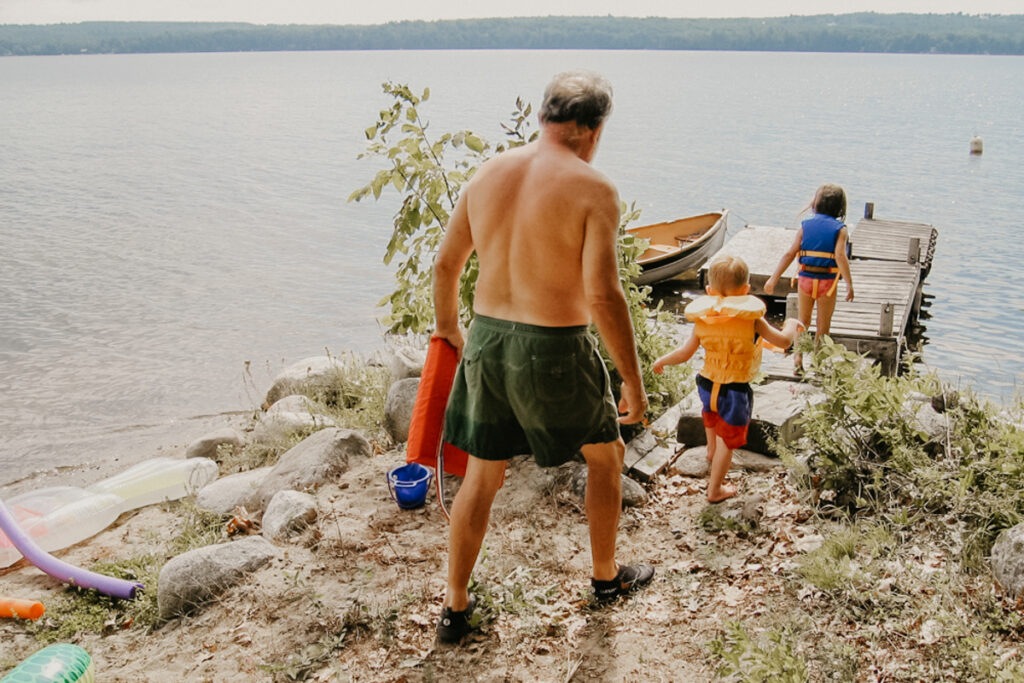
Maine holds a particularly special place in my life. I spent summers growing up at my family’s cabin there, so creating a project in that region felt deeply personal. Spending time photographing in those communities allowed me to feel more connected not only to the people I was working with, but also to my own memories—almost as if I were reconnecting with my younger self and the sense of peace I’ve always associated with that place.
How did Ripples in Still Water come to be and alter over time?
Ripples in Still Water is the title of this exhibition, which grew out of a larger collaborative project called 19 Towns, 20 Stories. The project began through a collaboration with my former English teacher, Leigh Perkins, and her partner, Peter Bruun, an artist who lives in Lincoln County, Maine, where the series takes place.
Peter lost his daughter Elisif to an overdose, an experience that deeply informs his work as an artist and his involvement in the community around overdose awareness and substance use prevention. Leigh and Peter began envisioning a project that could share the personal stories behind the crisis affecting so many communities. Around two years ago, they invited me to collaborate and create the photographic component, with the long-term goal of eventually publishing the work as a book.
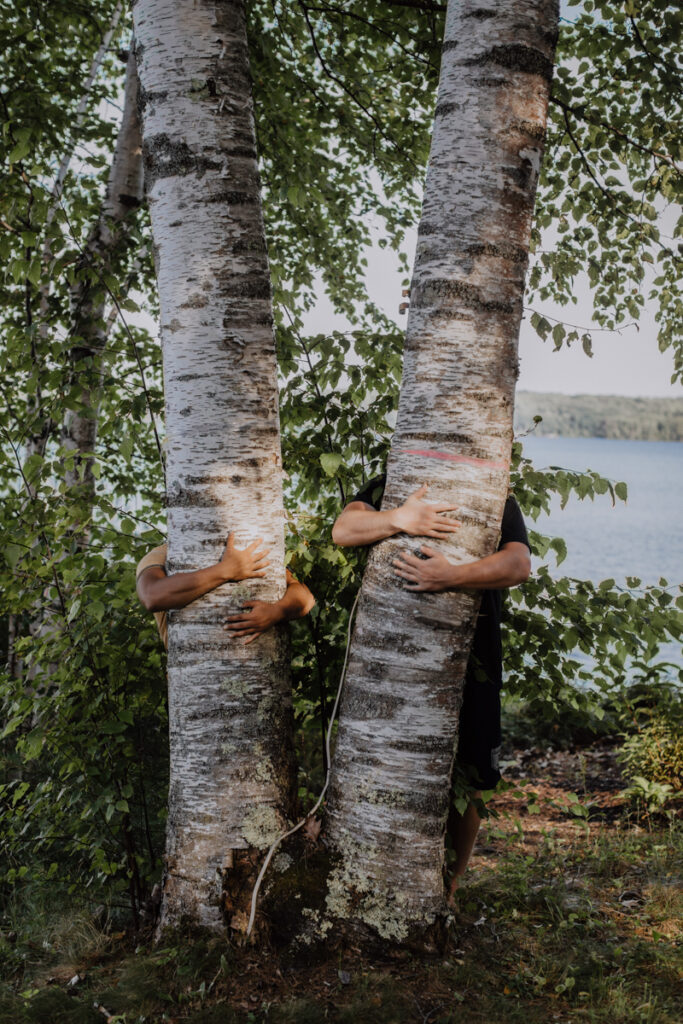
Since then, the project has grown through relationships with people whose lives intersect with substance use in many ways—those in long-term recovery, people who have lost loved ones, and healthcare workers supporting their communities. I often photograph participants in places that hold meaning in their lives, weaving together portraiture with the Maine landscape.
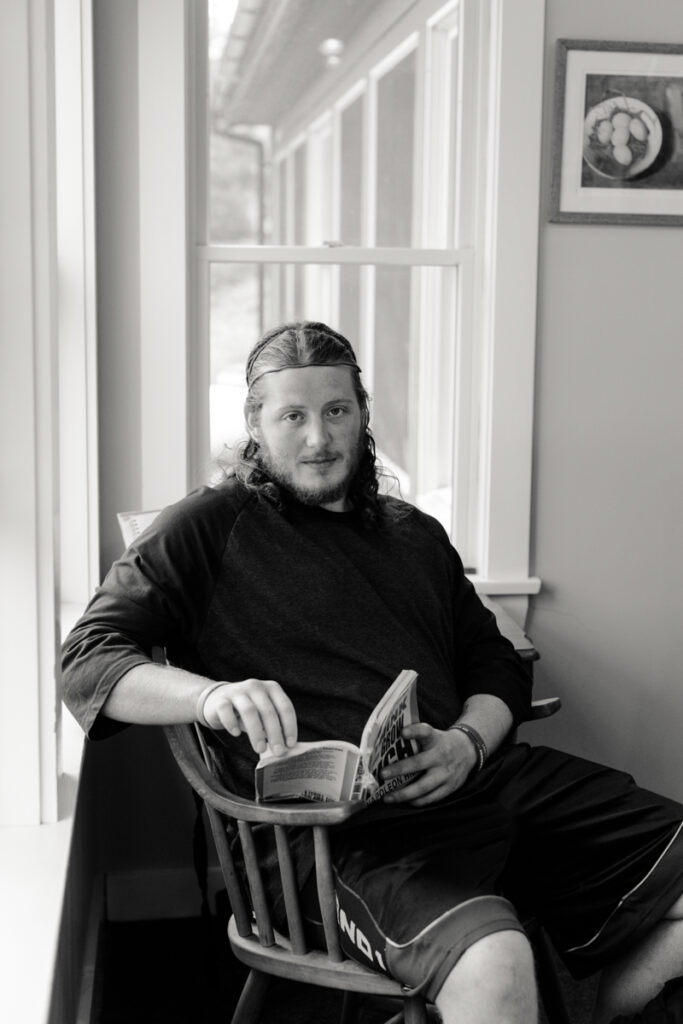
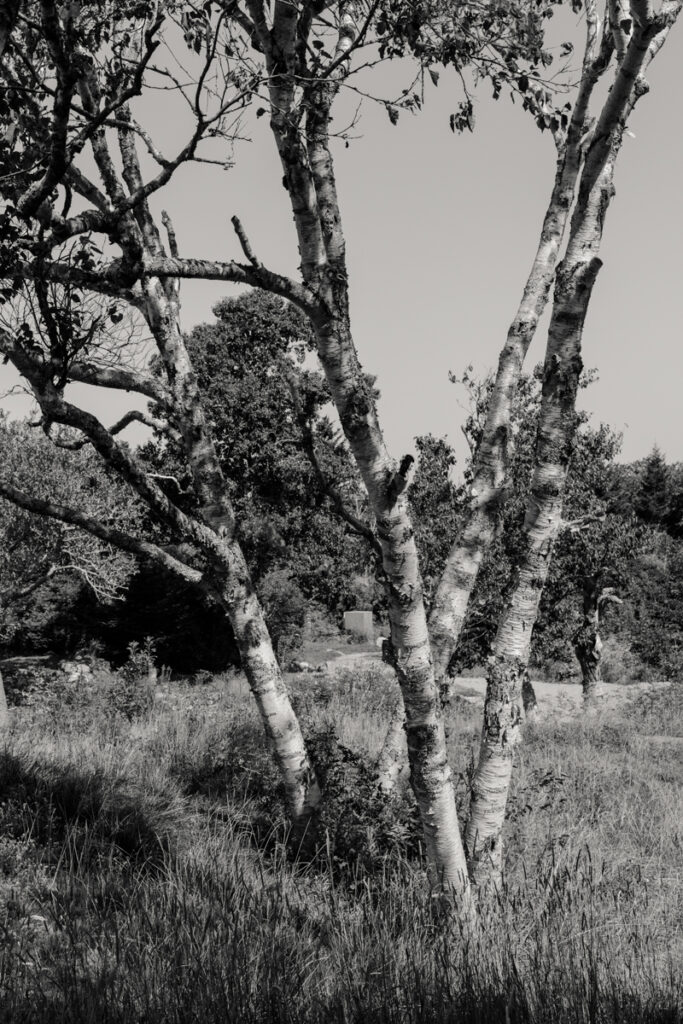
Because the project reflects an ongoing, complex reality, the stories have naturally evolved over time. We’ve revisited participants, updated narratives, and in some cases shifted the people included—whether because someone relapsed, another voice felt more representative, or, tragically, one participant passed away.
This exhibition marks the first time the work is being shown as a series. We hope to continue the project through community-based events this summer involving some of the participants, and ultimately to publish the work as a book in the coming years—creating a space for connection and awareness around experiences that are far more universal than we often realize.
How has this project impacted your photographic practice or style?
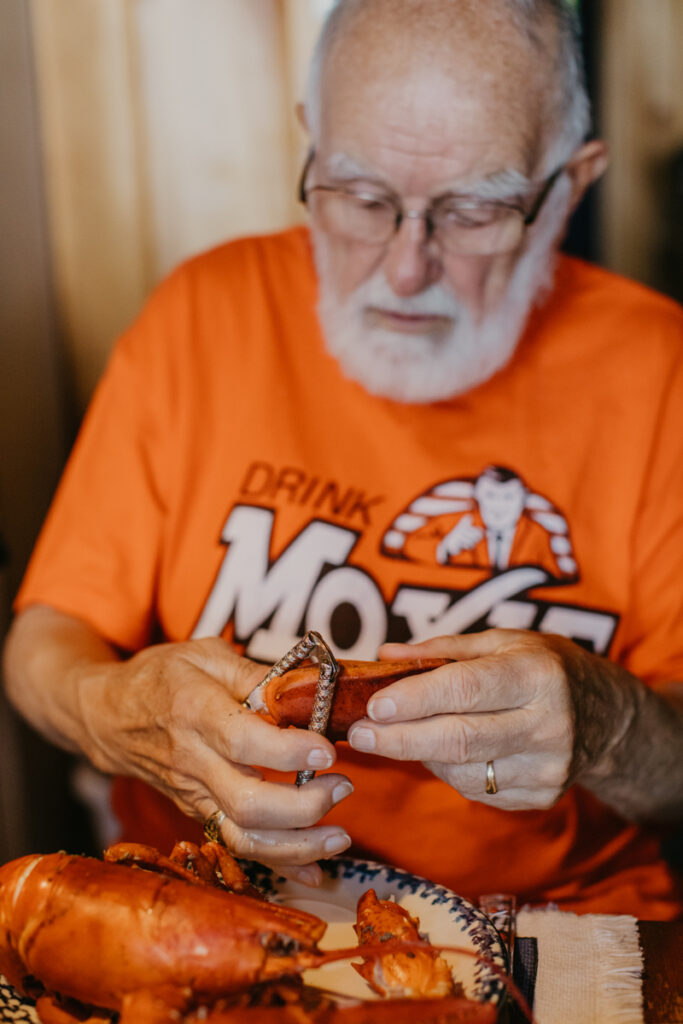
This project came into my life at a pivotal moment. I had just begun slowing down work on a previous series, Bring Me a Dream, which grew out of my thesis at RISD and focused on my paternal grandparents. That work explored intergenerational memory, Alzheimer’s, and the grief that accompanies memory loss. It is deeply important to me, but after both of my grandparents passed away, continuing to photograph so close to home became emotionally difficult.
At the same time, I still felt a strong pull to make work that connected with people I don’t know in a similarly intimate and meaningful way. This project offered a way to continue those kinds of conversations while stepping outside my own family. Through photographing others and listening to their stories, I’ve been able to engage with themes that resonate with my own experiences—particularly around substance use and mental health. The project has brought a renewed sense of purpose to my practice. It has reminded me that photography can be a space for connection, empathy, and, importantly, hope.
Do you have hopes to engage the community depicted in this exhibition?
Absolutely. Engaging the community that shared their stories is an essential part of this project. Peter has been organizing community events in Lincoln County over the past few years, leading up to International Overdose Awareness Day. These gatherings take many forms—pop-up exhibitions, music events, and community conversations—all designed to bring people together and create space for dialogue around substance use and recovery.
Building on that momentum, we hope to host events this summer that bring the work directly back to the communities where it was made in a way that feels accessible and visible. I’m planning to be there for those events as well, which feels really important given how collaborative the project has been.
We’re also excited to host a panel discussion toward the end of this exhibition featuring Leigh, Peter, me, and at least two participants in 19 Towns, 20 Stories. Creating space for those voices to be part of the conversation is central to the spirit of the project.
What do you hope visitors take with them?
I hope visitors take away a few different things. I deliberately installed the exhibition in a way that feels immersive within the landscape—less like looking through a window and more like standing alongside the people who are photographed. My hope is that viewers begin to recognize something of themselves in the work.
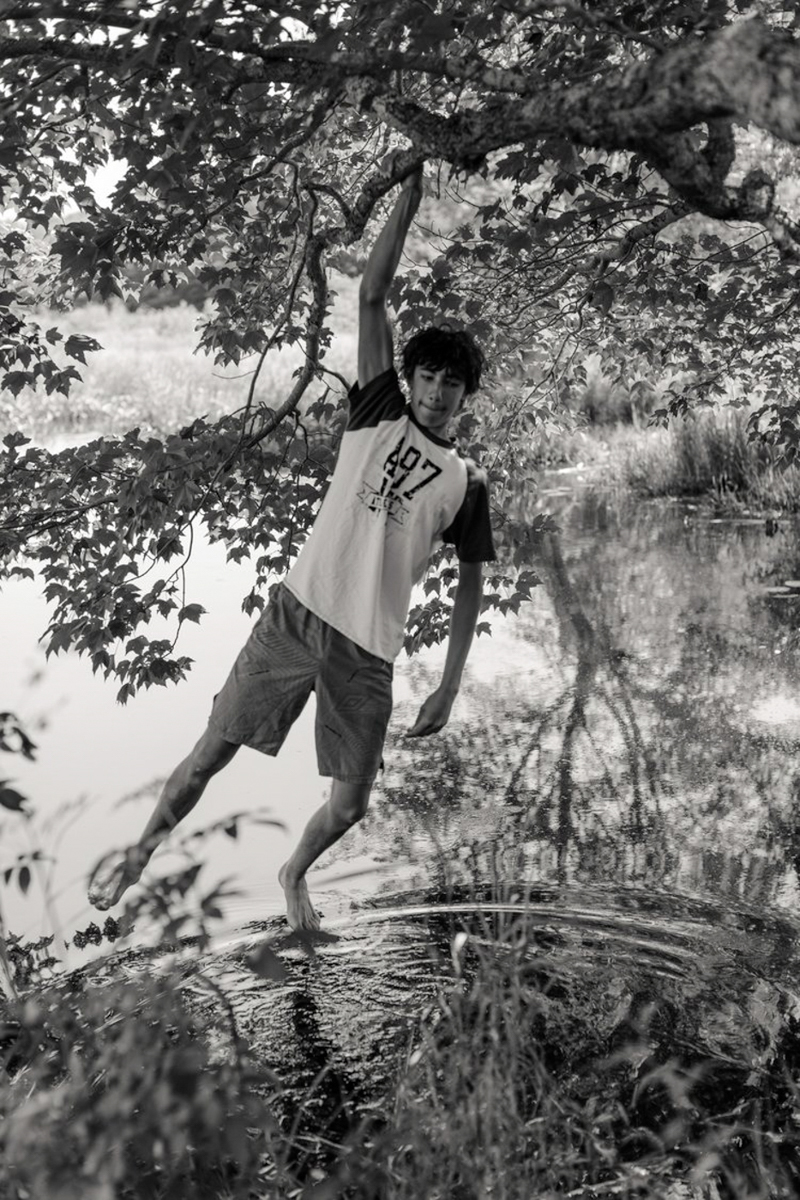
Substance use and its intersections with mental health are often talked about as isolated issues, but in reality, they touch nearly everyone in some way—through family, friends, or personal experience. I hope the exhibition helps people approach these conversations with greater empathy, awareness, and kindness.
There are also a couple of interactive elements in the show. I created small takeaway booklets with short blurbs about each person depicted, for those who want to learn more about their stories. I’m also offering small purple worry stones that visitors can take with them when they leave. They’re meant to echo some of the themes in the exhibition, but also to serve as a small object of grounding and reflection—something you might carry in your pocket and return to, even on the hardest days.
Is there anything else you would like us to know?
This is a deeply collaborative and ongoing project that extends far beyond my role as the photographer. I’m incredibly grateful to Peter Bruun and Leigh Perkins for the care, dedication, and organizational work they’ve brought to the 19 Towns, 20 Stories project.
If you’re interested in learning more about the broader initiative that Ripples in Still Water is based on, I encourage you to visit Bruun Studios (bruunstudios.com/studiob), which shares more about the community events and programming connected to the project. You can also see more of my work and the corresponding stories at hannah-latham.com.